How to Identify Spinel?
Spinel is a gemstone with a long history. In ancient times, it was always mistaken for ruby. The most legendary...
By


The interior of a gemstone is extremely fascinating and colorful. The instrument used to observe the world inside a gemstone is a gem microscope Let’s enjoy it together!
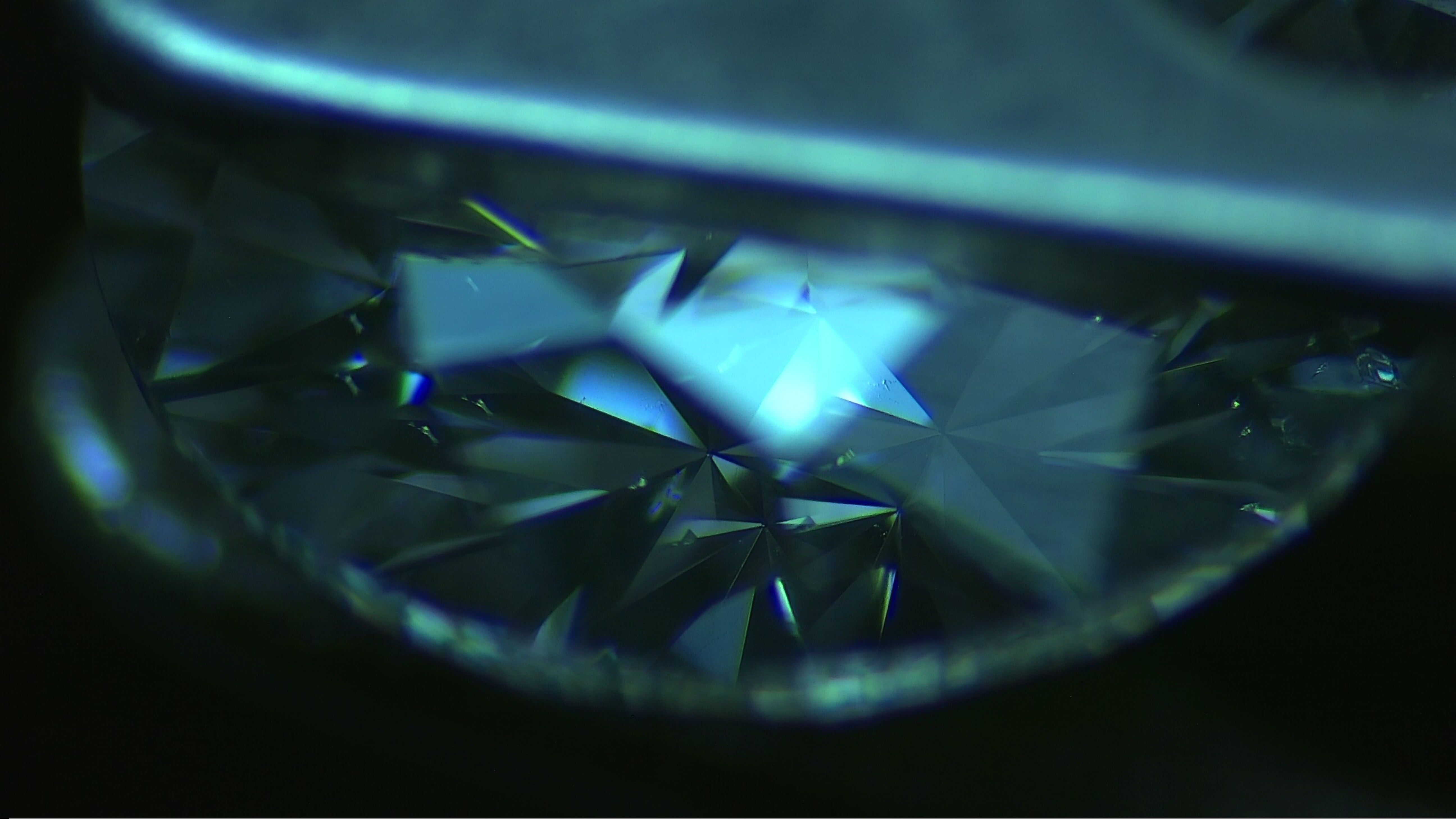
Figure 1: diamond edges are Sharp and no ghosting
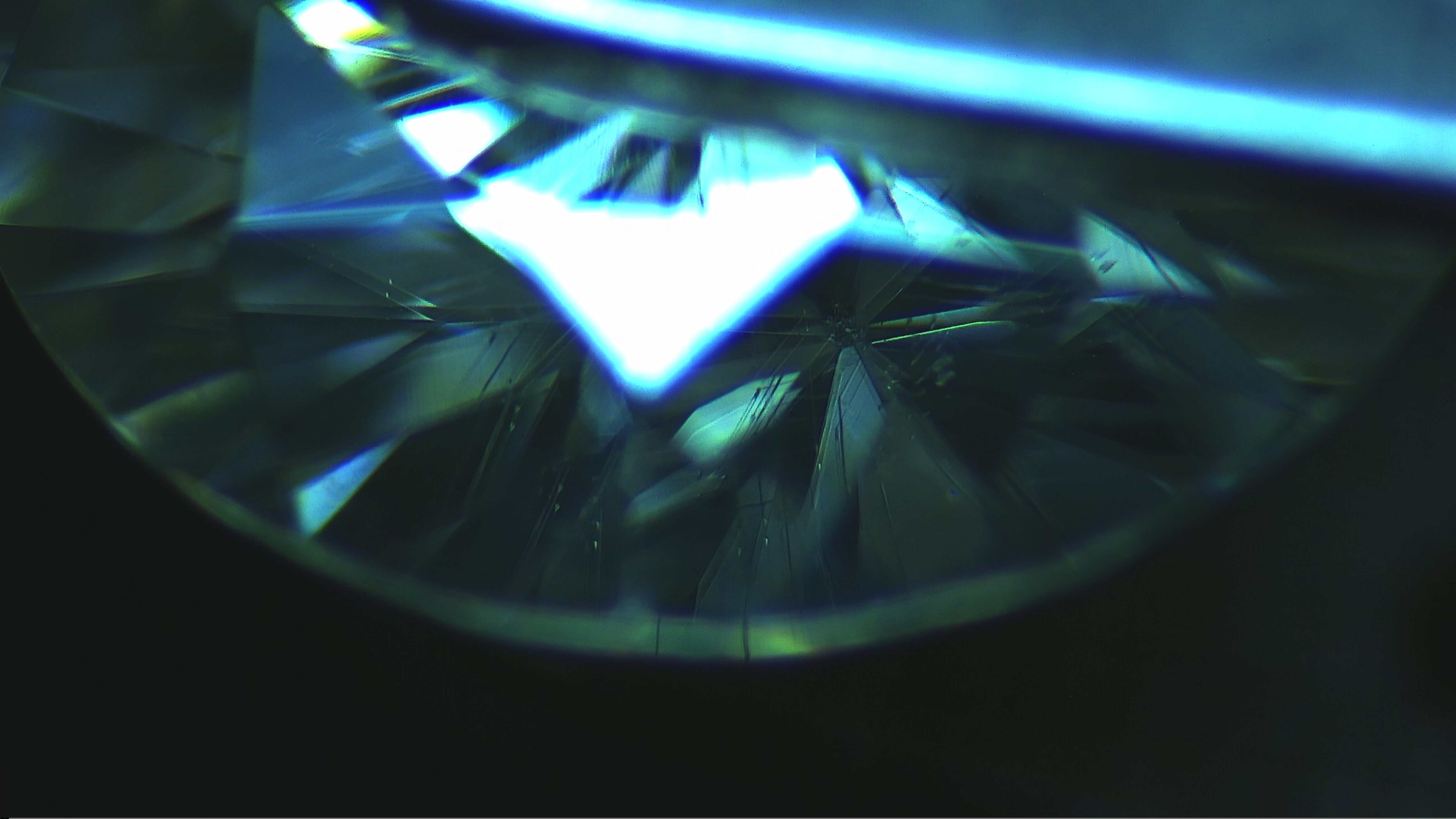
Figure 2: Moissanite edge is ghosting

Figure 3 Gas-liquid inclusions inside natural ruby

Figure 4 Needle-like inclusions

Figure 5 Mineral inclusions

Figure 6 Mineral inclusions

Figure 7 Abnormal reflection and bubbles in filled ruby

Figure 8 Abnormal reflection and bubbles

Figure 9: Curved growth lines inside synthetic ruby
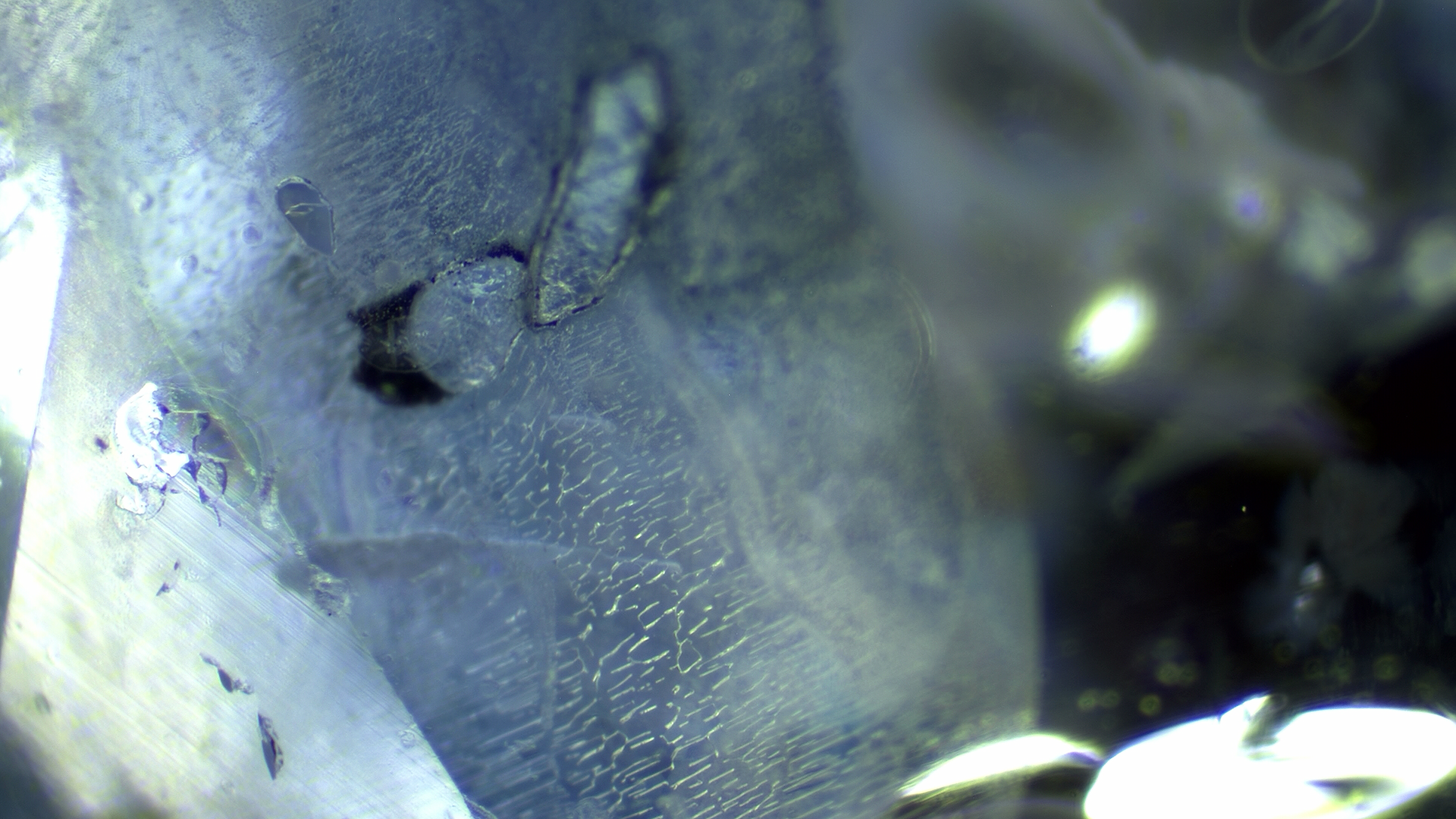
Figure 10 Gas-liquid inclusions and mineral inclusions in natural sapphire
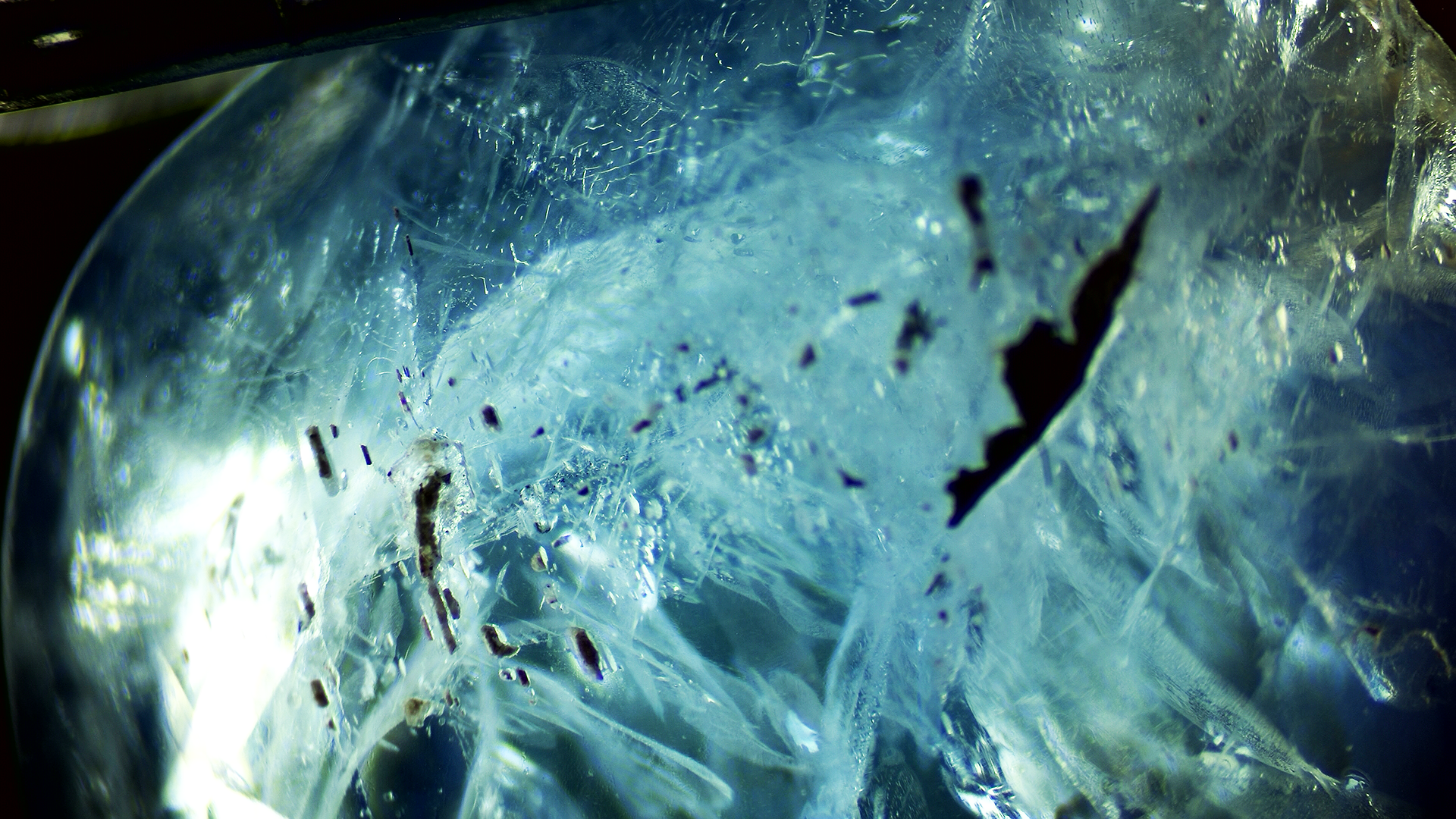
Figure 11 mineral inclusions and gas-liquid inclusions of natural sapphire
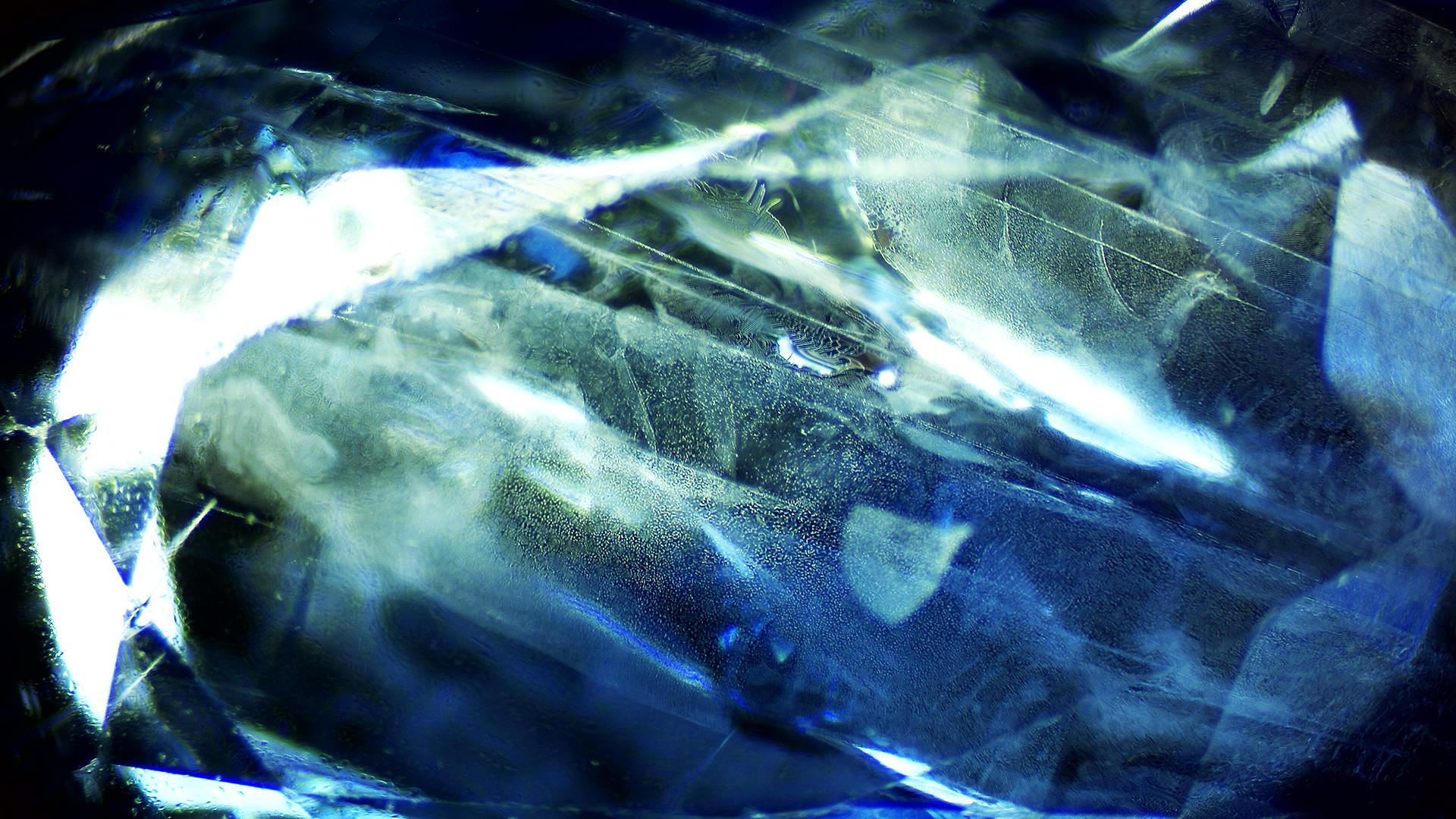
Figure 12 Gas-liquid inclusions and color bands in natural sapphire

Figure 13 The color of the diffusion-treated sapphire deepens at the ridges
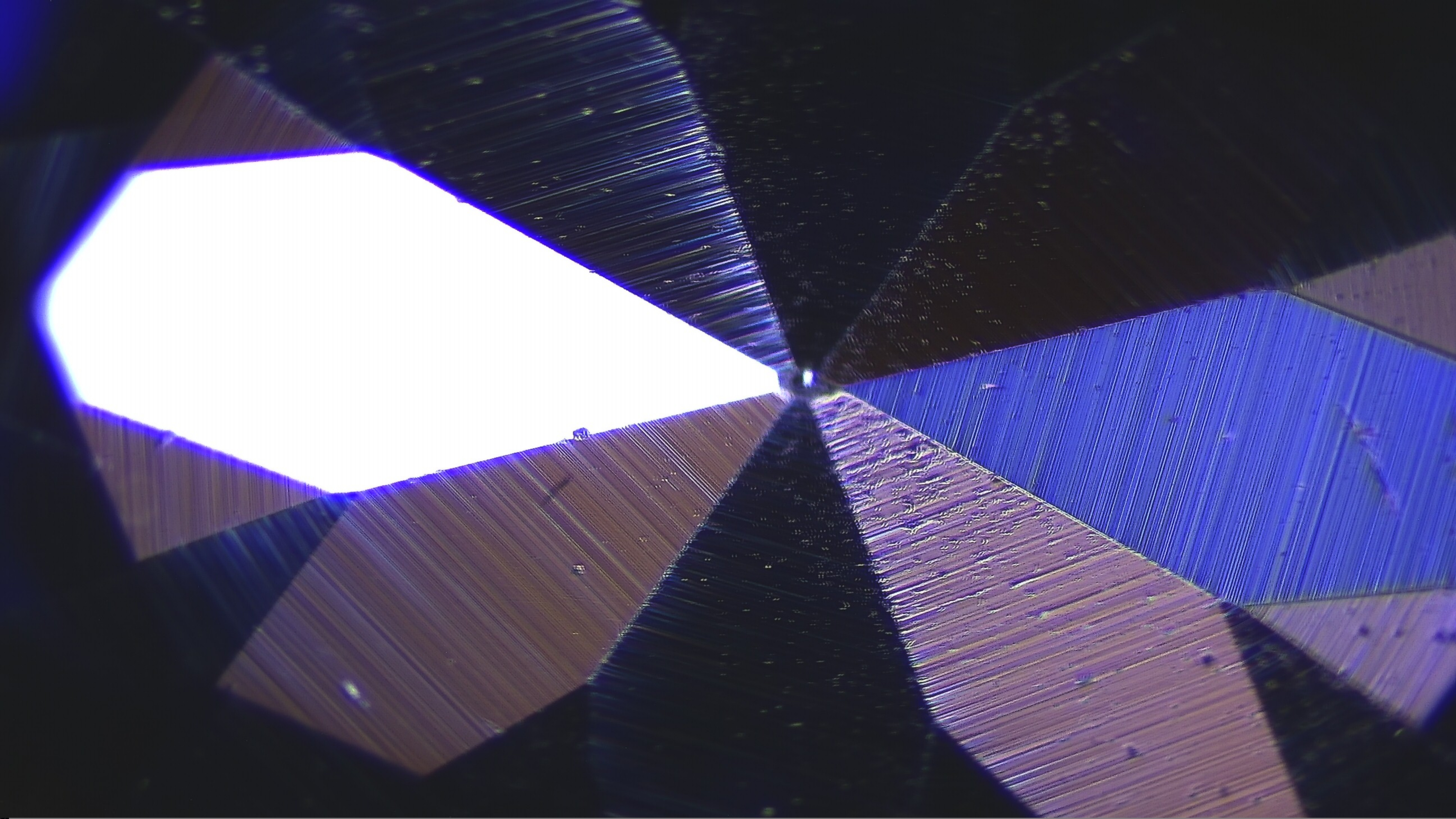
Figure 14: Inside of synthetic sapphire is clean and free of impurities

Figure 15 Solvent residue in synthetic sapphire

Figure 16 Gas-liquid inclusions and mineral inclusions in natural emerald

Figure 17 Negative crystal and gas-liquid inclusions in natural emerald

Figure 18: Natural emerald has many cracks
Figure 19 Water ripple structure of synthetic emerald

Figure 20 Spike-shaped inclusions in synthetic emerald

Figure 21 Linear inclusions and mineral inclusions in natural aquamarine

Figure 22 “Centipede-shaped” inclusions in natural aquamarine

Figure 23 Negative crystal inclusions in natural beryl